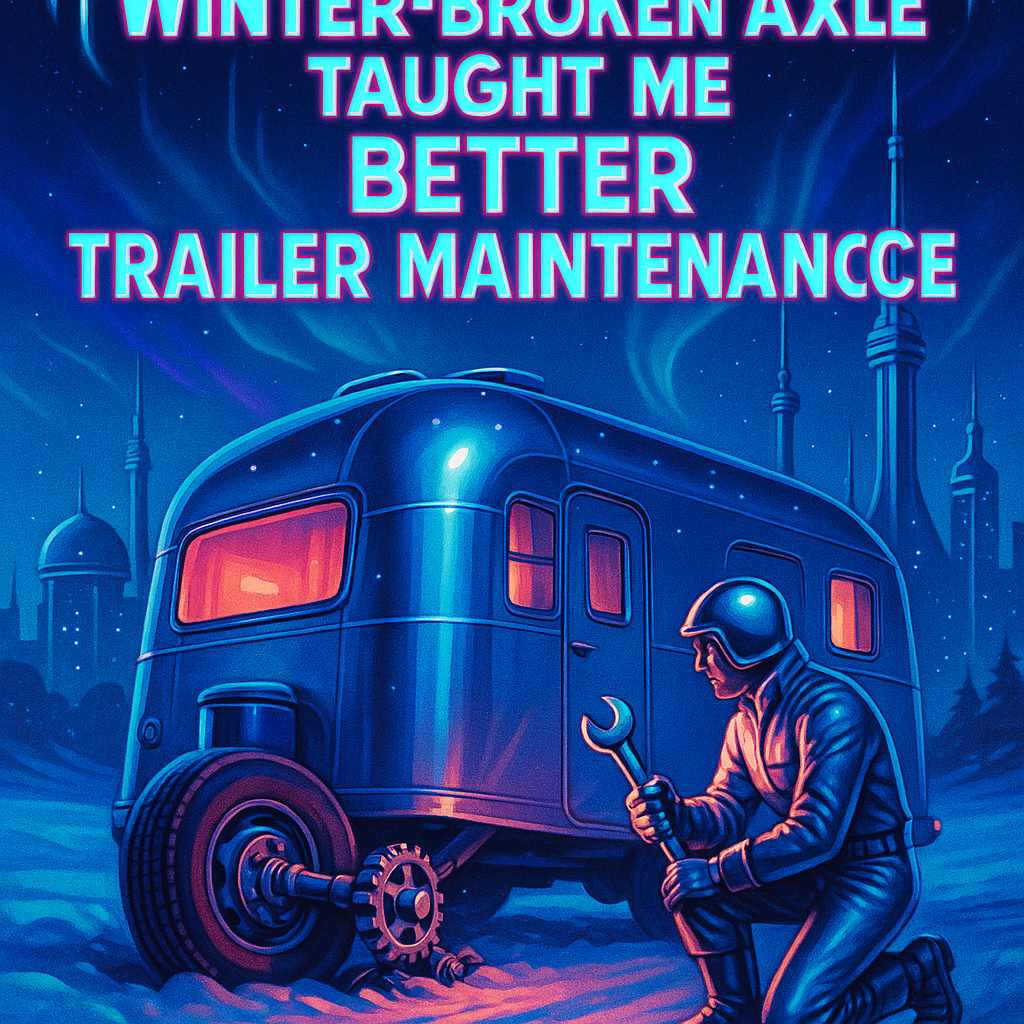
How One Winter-Broken Axle Taught Me Better Trailer Maintenance
I learned the hard way on a January morning when a frozen axle left a flatbed full of materials stranded on a county road. We had a client deadline, a crew waiting, and a job slipping away. The problem was not the trailer itself. It was how I had treated trailer maintenance as a check-the-box chore instead of the operational backbone it really is.
Trailer maintenance matters. It keeps you safe on the road, prevents costly downtime, and protects the margin on every job. Below I break down the exact changes I made after that axle failed. These are practical steps you can apply tomorrow, whether you run a one-person operation or manage a fleet.
Start with a simple, repeatable inspection routine (and stick to it)
Inspections work when they are short and consistent. Long, rare checklists get skipped. I switched to a two-minute before-trip walkaround and a deeper monthly audit. The two-minute check covers tires, lights, couplers, and a quick look at the wheel bearings. The monthly audit goes deeper: lug torque, brake adjustment, suspension wear, and a grease point checklist.
Write the two-minute walkaround on a laminated card and keep it in the truck. When the crew knows what to look for, small issues get caught before they escalate. Use the monthly audit to schedule repairs during slow periods. That small change cut our emergency tows by more than half in one season.
What to prioritize on each pass
Focus on failure points that create immediate downtime. Tires and bearings show wear gradually, but a seized bearing or a blowout stops work instantly. Electrical issues are often wiring or a corroded connector. Couplers and safety chains are non-negotiable. When any of these items feel off, park the trailer and fix it.
Track parts and labor costs to spot trends, not just one-off fixes
After the axle failure, I started logging every repair: part, labor time, cost, and mileage. That raw data revealed patterns. We were replacing the same brand of hubs every three years on trailers that ran weekly and never touching hubs on lighter-use trailers.
Once you have the numbers, you can decide if a higher upfront cost on a better hub saves money over time. Logbooks help you avoid false economies and make repairs an informed business decision instead of a gamble.
How to keep the log without making it a chore
Use a simple spreadsheet or a shared note that the crew can update from a phone. Make entries short: date, trailer ID, odometer or hours, part, cost, and initials. Review the sheet with your monthly audit. If a serial problem appears, address it proactively.
Plan seasonally: winter, spring, and harvest have different failure modes
Different seasons wear trailers in different ways. Winter brings salt, frozen bearings, and stiff latches. Spring reveals suspension issues that sat dormant under frozen ground. Harvest or construction season stresses brakes and tires with heavy loads and daily cycles.
For winter, I add corrosion control to the routine. A light spray of a corrosion inhibitor on connectors and latches after a wash keeps moisture out of the system. For spring, I prioritize suspension checks after frost heaves and pothole season. For heavy-use months, I ramp up bearing and brake inspections.
Tailor your inventory. In winter carry spare bearings, seals, and light connectors. During heavy months stock brake shoes and tire plugs. Anticipating needs saves days of downtime.
Train the people who actually move the trailers
Maintenance fails when the people closest to the machine do not feel ownership. I started spending ten minutes with crews at the start of each week to show what to look for and how to do a quick fix. That small investment builds competence and reduces small problems from becoming big ones.
A practical tip is to teach a handful of reliable crew members basic wheel-end service and how to change a tire on the road. When you train people, you also build redundancy. If the primary operator is out, someone else can keep the fleet moving.
This approach ties into broader leadership practices. Mid-level supervisors who understand field maintenance make better decisions about scheduling and jobs.
Use maintenance to improve scheduling and cash flow
Maintenance is not just about avoiding breakdowns. It is also a lever to smooth operations. Knowing when a trailer will be out for service helps you stagger repairs so you never lose critical capacity during a busy week.
I learned to book deep inspections during historically slow weeks and to order parts ahead of time. That reduced rush shipping costs and kept more trailers available when demand spiked. Tracking repair cadence also lets you estimate true operating costs for bidding and quoting work.
Midway through the season, I implemented a simple note in our job planning that flags trailers due for service. This small habit makes scheduling a maintenance window normal rather than reactive. It also improved route planning because we stopped assigning long hauls to trailers that were due for attention.
One simple habit that prevents big failures: grease and torque
If you do nothing else, grease bearings and check lug torque on a schedule. Bearing failure is cheap to prevent and expensive to fix in lost time. Lugs that loosen over miles can lead to wheel separation. Tightening to the correct torque after the first 50 miles of a wheel change is a small step with an outsized payoff.
Carry a calibrated torque wrench in the service kit and train the crew to use it. Grease on a timetable keeps seals healthy and reduces corrosion. These are the details that turn maintenance from a cost into a reliability practice.
Mid-article, we also need to think about visibility online for local service and parts. If you are researching how to rank service pages or local repair listings, read about basic seo practices that help people find you when they need service.
Closing: maintenance is operational advantage, not a chore
The winter axle failure cost us a day and a half and taught a lasting lesson. Treat maintenance as an operational practice. Keep inspections short and regular. Log repairs. Train your crew. Plan seasonally. Grease and torque on a schedule.
Do those things and you reduce emergency stops, protect profits, and make the workday less stressful. In the end, a well-maintained trailer keeps more than cargo moving. It keeps your business running.