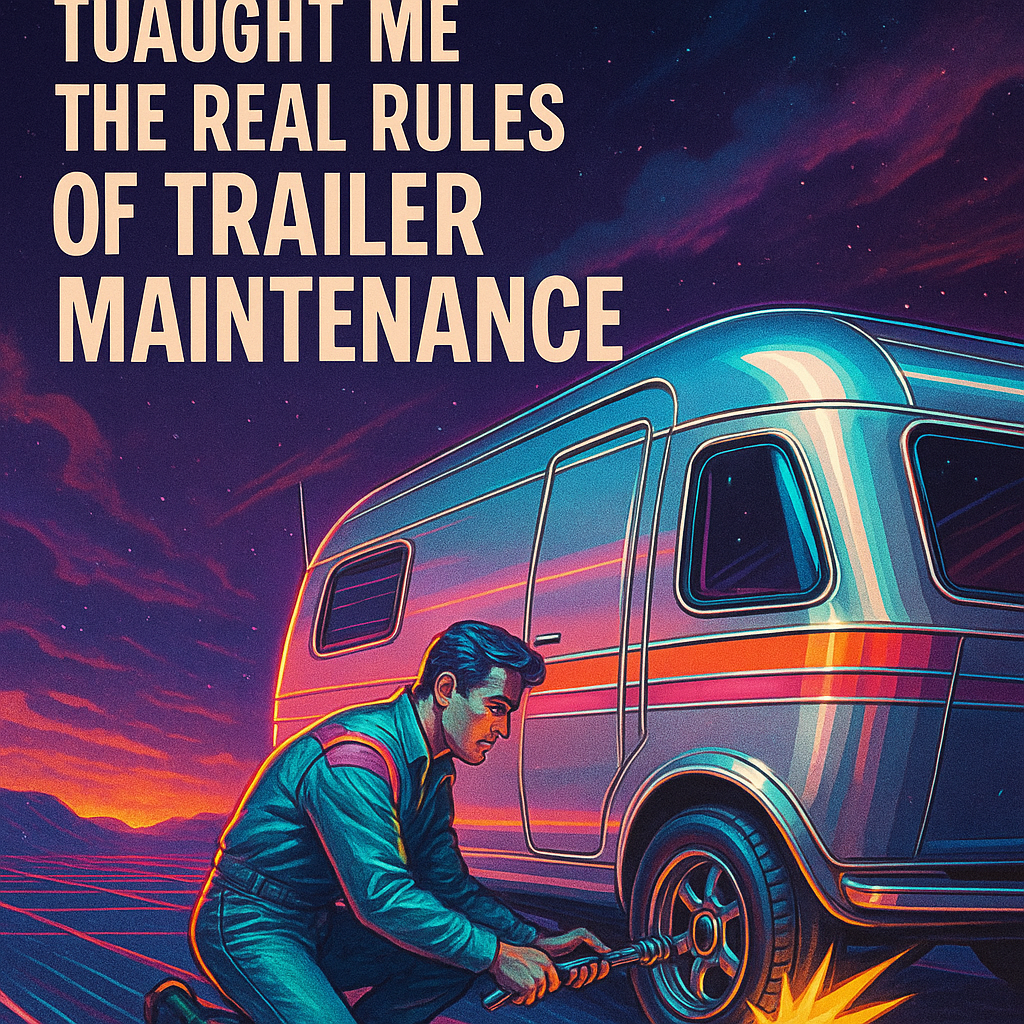
How One Spring Breakdown Taught Me the Real Rules of Trailer Maintenance
I remember the morning my crew called from a highway turnaround: the trailer had lost a wheel bearing on a two-day commercial job. In the first hundred words I want to be clear — trailer maintenance is not a weekend task you squeeze in. It is the discipline that keeps equipment, schedules, and crews on the road. If you treat maintenance like an afterthought you will pay with delay, safety risk, and higher long-term costs.
Diagnose the problem where it starts: daily checks that save shops and jobsites
We used to ignore the two-minute walk-around because everyone was busy. That stopped the day a snapped safety chain left an unsecured load sliding on the highway. A short, consistent daily check prevents small failures from becoming roadside emergencies.
Start with a scripted walk-around and keep it simple. Inspect tires for cuts and correct pressure. Verify lights and wiring are secure. Check hitch, coupler, safety chains, and breakaway systems for corrosion or play. Listen for unusual noises during the first pull of the day. Record anything abnormal and prioritize fixes.
A written habit turns maintenance from guesswork into repeatable practice. If your team treats inspections like optional chores, assign responsibility, set a time, and make the findings visible. Over time the small catches compound into fewer big failures.
Plan maintenance around usage, not the calendar: a usage-based approach
Most shops work by calendar because it looks organized on paper. But trailers wear by load, road, and climate. A construction trailer that spends a season hauling gravel will need service sooner than a demo trailer that moves occasionally.
Track miles, loaded hours, and type of work. Match service intervals to real use. For heavily loaded or off-road work shorten intervals for bearings, brakes, and suspension. For long highway hauls check wheel end components more often. Use a simple log in a shared file or whiteboard. The point is accuracy. Replace guesswork with measured triggers and you will reduce unscheduled downtime.
Fix root causes, not symptoms: how to stop repeating the same repairs
When a part fails, technicians often replace it and move on. That produces return visits. I learned to ask three questions before ordering parts: what failed, why did it fail, and what will stop it from failing again?
If bearings overheat, inspect seals, check grease type and quantity, and evaluate hub runout. If lights corrode repeatedly, question the mounting method and wiring routing. Sometimes a slightly larger bracket or a routed loom makes all the difference.
Document the fix and the cause. Build a short troubleshooting note into your repair orders. That knowledge spreads through the team and prevents the same downtime from recurring.
Build crew capability through small, practical leadership moves
Routine maintenance depends on the people doing it. Training does not require big budgets. Short, focused sessions that show how to use a grease gun properly or how to check brake adjustment deliver outsized returns.
Leadership matters. When a foreman models the walk-around, the crew follows. If you want better results, pair a junior tech with a veteran for two weeks, then rotate. Create brief job aids that live in the trailer toolbox.
If you need frameworks for practical crew development, look for free resources on compact leadership topics that translate to the shop floor. Linking non-promotional material about leadership can help teams adopt clear habits and sustain them. For example, I’ve used articles on day-to-day leadership techniques that helped our foremen turn checks into habits.
Make data work without drowning in it: measure the few numbers that matter
You do not need a fancy system to manage trailer uptime. Track three metrics and meet on them weekly. I recommend: percentage of scheduled maintenance completed on time, number of roadside failures month-to-month, and average time-to-repair for unscheduled events.
Keep the metrics visible. A whiteboard in the shop or a shared spreadsheet will do. If a metric drifts, ask what changed in operations. Often a new driver, a season of wet weather, or a subcontractor with different loading habits explains the shift.
If you want to attract more customers or make your business easier to find, basic seo work on your site makes the difference between being invisible and being the go-to local operator. Clean pages, clear service descriptions, and accurate location data help. For practical how-to on trailer-focused optimization.
Mid-article reality check: when to pull a trailer off the road
Not every squeak deserves immediate removal from service. Use severity and risk to decide. High-risk issues like compromised axle integrity or faulty brakes require immediate removal. Cosmetic wiring or slow-leaking tires can wait until the next scheduled service if you have a plan to monitor them.
A clear risk threshold prevents overreaction and underreaction. Write those thresholds down and teach the crew. The mental friction of making judgement calls disappears when everyone understands the rules.
Closing insight: small habits change uptime more than big purchases
I spent more money chasing emergency fixes than I did on preventive supplies. The turning point came when we standardized a two-minute daily check, logged real use, and taught small, repeatable repairs. Downtime dropped. Jobs finished on time. The crew felt more confident in the gear and each other.
Trailer maintenance is not glamorous. It is practical. Treat it like a core business process and you make your equipment a predictable tool instead of a recurring liability. The last breakdown I saw could have been prevented with one clean habit three days earlier. Make that habit non-negotiable.